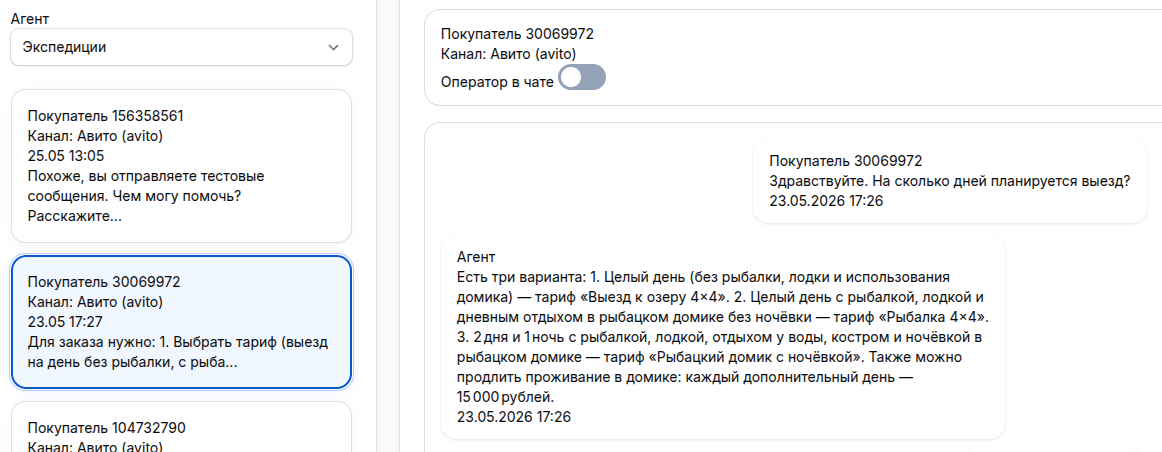
How to automate business processes using AI: a practical plan and cases


Content:
- Why does a business need automation using AI?
- Which processes are automated first?
- Where AI gives the maximum effect
- Step-by-step implementation plan
- What tools and approaches should I use?
- Risks, errors, and limitations
- The economics of the project and the evaluation of the result
- Examples for different types of companies
- Results
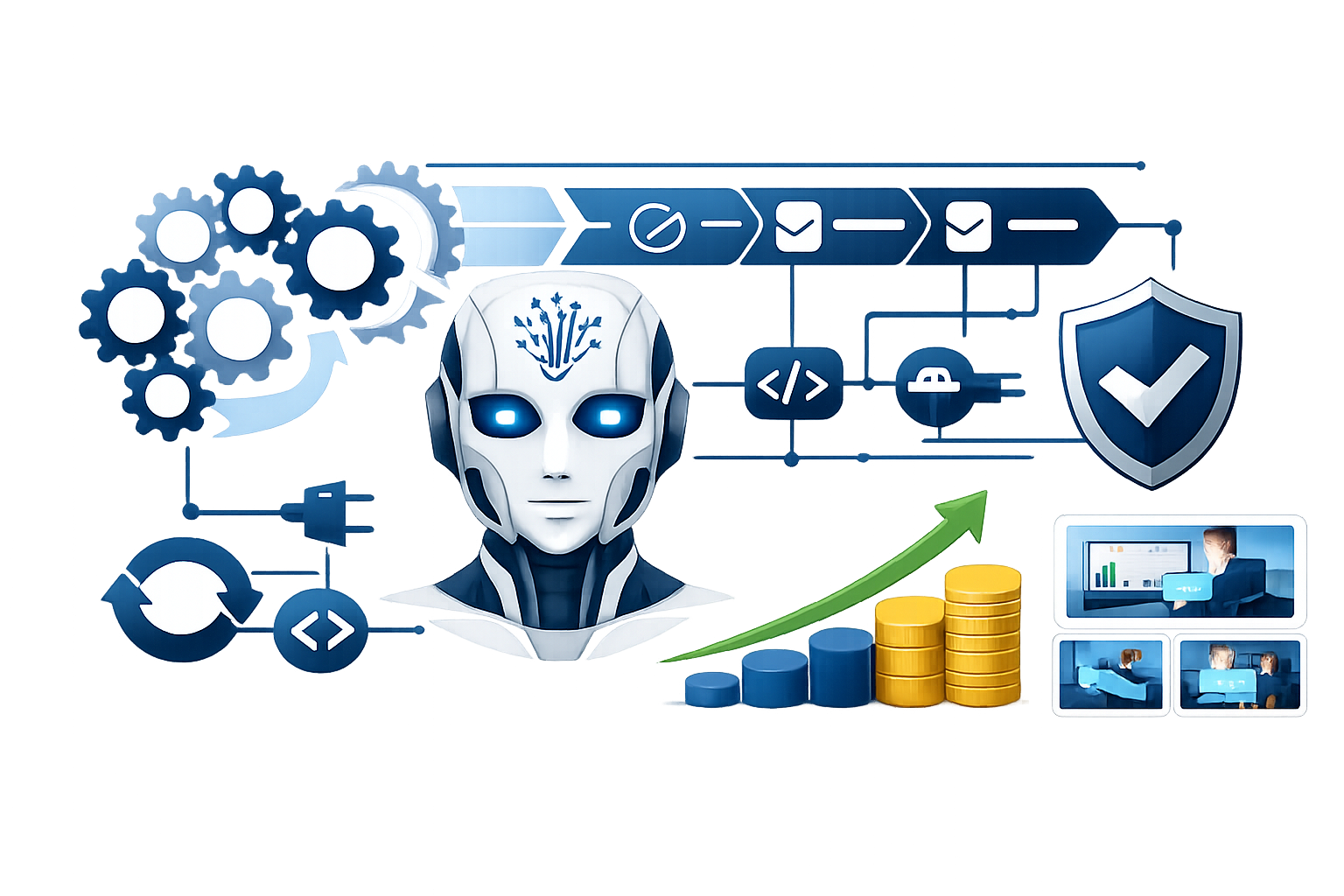
Artificial intelligence has long ceased to be a buzzword in investor presentations. Today it is a practical tool that helps companies to eliminate routine, speed up decision-making, improve service quality and reduce costs. When a business talks about automation, most often it does not mean the complete replacement of people with machines, but a competent redistribution of efforts.: Employees do things that require experience, communication, and responsibility, and repetitive operations are transferred to digital systems.
The main value of AI in business processes lies in the fact that it can work not only according to strict rules, but also with probabilistic scenarios. If conventional automation does a good job with well-defined sequences of actions, then AI is able to analyze texts, recognize images, predict customer behavior, classify requests, and suggest optimal solutions. This makes it especially useful where automation was previously considered too difficult or economically unprofitable.
Important:
Why does a business need automation using AI?
Most companies have the same problem: too much time is spent on manual data processing, approvals, repetitive responses to clients, document preparation, and task control. As long as the processes are based on people, the system works, but as the volume of operations increases, weaknesses begin to appear — delays, human errors, lost applications, overloading of employees and dependence on individual specialists.
AI allows you to reduce this burden without radically restructuring the business. For example, an intelligent assistant can automatically sort incoming requests, extract data from documents, prepare drafts of responses, predict customer churn, or identify anomalies in reporting. As a result, the company gets not only time savings, but also a more transparent, predictable management contour.
There is also a strategic effect. A business that processes information faster adapts faster to market changes. The manager notices the drop in conversions earlier, the sales department reacts more quickly to leads, the support service does not lose calls, and marketing receives more accurate audience segments. In a competitive environment, this advantage is often more important than direct cost reduction.
Which processes are automated first?
The most successful automation projects almost always start with processes where three characteristics are simultaneously present: high repeatability, a large volume of similar operations, and a clear quality criterion. This is where AI shows results the fastest, and a company can see the effect in the first weeks or months after implementation.
Usually, the first candidates are customer support, sales, workflow, marketing, HR, and internal analytics. For example, in AI support, it can accept standard requests, determine the subject of an appeal, set a priority, and transfer complex cases to the right specialist. In sales, you need to analyze leads, prepare personalized emails, and prioritize the likelihood of a deal. In HR— they sort out resumes, schedule initial interviews, and answer standard questions from candidates.
- Customer support:
- Sales:
- Documents:
- Marketing:
- HR:
If a company is just starting out in automation, it is better not to take a dozen directions at once. It makes much more sense to choose one process with obvious pain and measurable effect. This approach reduces risks and builds the team's trust in new tools.
Where AI gives the maximum effect
The maximum impact occurs not where it is fashionable to use AI, but where the data is already there, but it is poorly used. For example, a company has been running CRM for many years, stores correspondence with customers, has a history of applications, records calls, and collects financial and operational reports. There are hidden patterns in this whole array that people don't always notice on time, and algorithms can detect them automatically.
ClassificationForecastingGeneration
A good example is the sales department in a B2B company. Managers receive dozens of applications, but not all of them are equally promising. AI can analyze the lead source, interaction history, request description, and customer behavior to identify priority transactions. This does not replace the manager, but it helps him to spend time where the probability of a result is higher.
In service companies, AI often has a noticeable effect in reducing reaction time. If the client writes at night, on weekends, or during peak load, the intelligent system can instantly accept the request, collect the missing data, propose a solution, and, if necessary, assign the task to a specialist. For the client, it looks like a fast and organized service, and for the business, it looks like a reduction in operational load.
Step-by-step implementation plan
One of the most common mistakes is to start the implementation by choosing a platform, rather than by diagnosing the process. The right start looks different: you need to describe the current scheme of work, find bottlenecks, measure the basic indicators and only then select the technology. Without this, even a good tool risks becoming an expensive toy that is used sporadically.
The work sequence usually includes process audit, goal formulation, data preparation, pilot scenario selection, test launch, results comparison, and scaling. It is important that clear metrics are available at each stage: how much time is being spent now, what percentage of errors occur, how much the operation costs, how many requests are lost, and how the conversion rate changes after automation.
- Describe the current process.
- Select one task for the pilot.
- Collect the data.
- Set up the scenario and restrictions.
- Start the pilot and measure the effect.
- Scale only after proven benefit.
Practice shows that a pilot project with a clear goal almost always benefits from large-scale implementation "everywhere at once". Even if the first scenario seems simple, it gives the company the most important thing — experience, data, and an understanding of how AI fits into a real-world operating model.
What tools and approaches should I use?
The choice of a tool depends not so much on the fashion in the market, but on the maturity of the processes within the company. For small and medium-sized businesses, a combination of CRM, a task system, a chatbot, a document processing service, and an AI tool for working with text is often enough. Large companies more often need integrations, their own decision-making models, access control, action auditing, and stricter data security policies.
add-on to existing systemscreating a separate intelligent contourhybrid model
For most companies, the hybrid scenario turns out to be the most realistic one. It reduces the team's fears, avoids critical errors, and makes it possible to accumulate high-quality data. For example, AI offers a response to the client, but the manager makes the final dispatch; the system extracts data from the contract, but the lawyer confirms the key fields; the algorithm marks risky transactions, but the decision is made by the head.
The term "integration"workflow
Risks, errors, and limitations
Despite all the advantages, AI is not a magical solution. If a company has chaotic processes, bad data, and no one responsible for the result, automation only scales the mess faster. That is why it is important to look not only at the possibilities of technology, but also at the organizational readiness of the business.
One of the typical mistakes is overestimating expectations. The management expects that AI will immediately reduce half of the manual work, but does not take into account the time for setting up, training employees, testing scenarios and adjusting rules. The second mistake is the lack of quality control. If the system processes the data automatically, but no one checks the accuracy, the business may face an accumulation of unnoticeable errors.
There is also a security issue. When working with client data, contracts, financial information, and internal correspondence, it is necessary to take into account the rules for storing, transferring, and delimiting access. For some industries, such as finance, law, and medicine, this is not a recommendation, but a prerequisite. Therefore, the implementation of AI should go along with the security policy, and not separately from it.
Finally, it is important to keep in mind the limitations of the models themselves. They can give convincing but inaccurate answers, misinterpret the context, and make mistakes in rare or complex cases. Therefore, critical decisions cannot be fully automated without checks, logging, and an understandable mechanism for escalating to humans.
The economics of the project and the evaluation of the result
Any automation makes sense only when its effect can be measured. The most understandable indicators are the time to complete the operation, the cost of processing one request, the conversion rate, the average response time, the number of errors and the level of customer satisfaction. If a manager spent 20 minutes qualifying one lead before implementation, and 7 minutes after implementation, the economic effect can already be calculated in money.
The evaluation of the result should take into account not only direct savings, but also indirect benefits. For example, a company may not reduce staff, but reallocate resources to more valuable tasks: support staff begin to engage in customer retention, sales department — complex negotiations, accounting — analytics, rather than manual data migration. This effect is harder to notice right away, but it often turns out to be key in the long run.
For internal presentations and project defense in front of management, it is convenient to use a simple calculation model.:
- Current cost of the process:
- The cost of automation:
- Expected effect:
If the pilot shows a steady result, the next step is scaling to related processes. But it's worth expanding the project only after the company understands which scenarios really pay off, and which ones create unnecessary complexity without noticeable benefit.
Examples for different types of companies
The online store's AI can automatically analyze customer requests, answer standard questions about delivery and return, suggest similar products, and make personal recommendations. Even reducing the load on operators by 25-30% at seasonal peaks already gives a noticeable financial result, because it allows you not to expand the team for every wave of demand.
In a manufacturing company, the scenario is different: AI analyzes requests from dealers, checks specifications, identifies non-standard parameters, and helps plan purchases. Here, the effect is expressed not only in speed, but also in reducing errors in the supply chain. One prevented error in an order can cost more than a monthly subscription to an automation tool.
For a consulting or service business, an intelligent assistant who prepares drafts of commercial proposals, summarizes meetings, extracts key agreements, and forms tasks based on the results of calls becomes useful. This is not just a convenience: such automation reduces dependence on the discipline of a particular manager and makes the customer service process more manageable.
Small companies can also get a quick effect. Even a simple combination of an application form, CRM, chatbot, and AI processing of incoming messages helps you not lose leads, respond faster to customers, and maintain a unified communication standard. This is especially important for small businesses because they usually do not have the resources for large staff and lengthy manual operations.
Results
Automating business processes with AI is not about fashion or trying to replace people at any cost. This is about mature operations management, where repeatable tasks are transferred to the system, and employees focus on solutions, negotiations, strategy, and quality of service. The sooner a company starts moving in this direction, the faster it gains an advantage in speed, accuracy, and scalability.
The best way to start is to choose one process with a clear pain and a clear metric, conduct a pilot, measure the result, and only then expand the use of AI. This path looks less impressive than the high-profile promises of total digital transformation, but it brings real benefits to business. Technology becomes valuable not when it is talked about a lot, but when it saves time on a daily basis, reduces losses, and helps a company grow more confidently.


Related articles
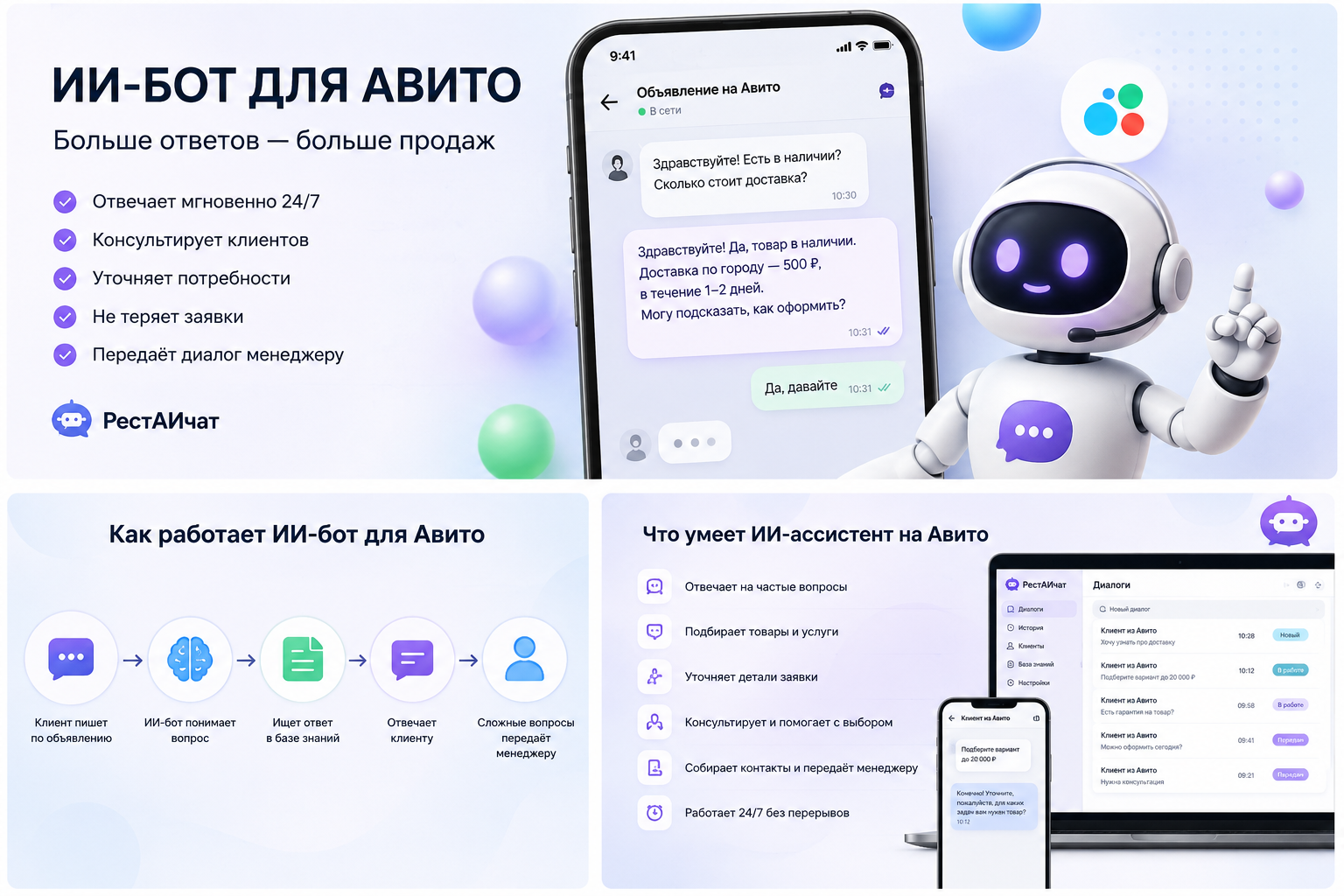
AI for Avito: how not to lose customers because of long answers
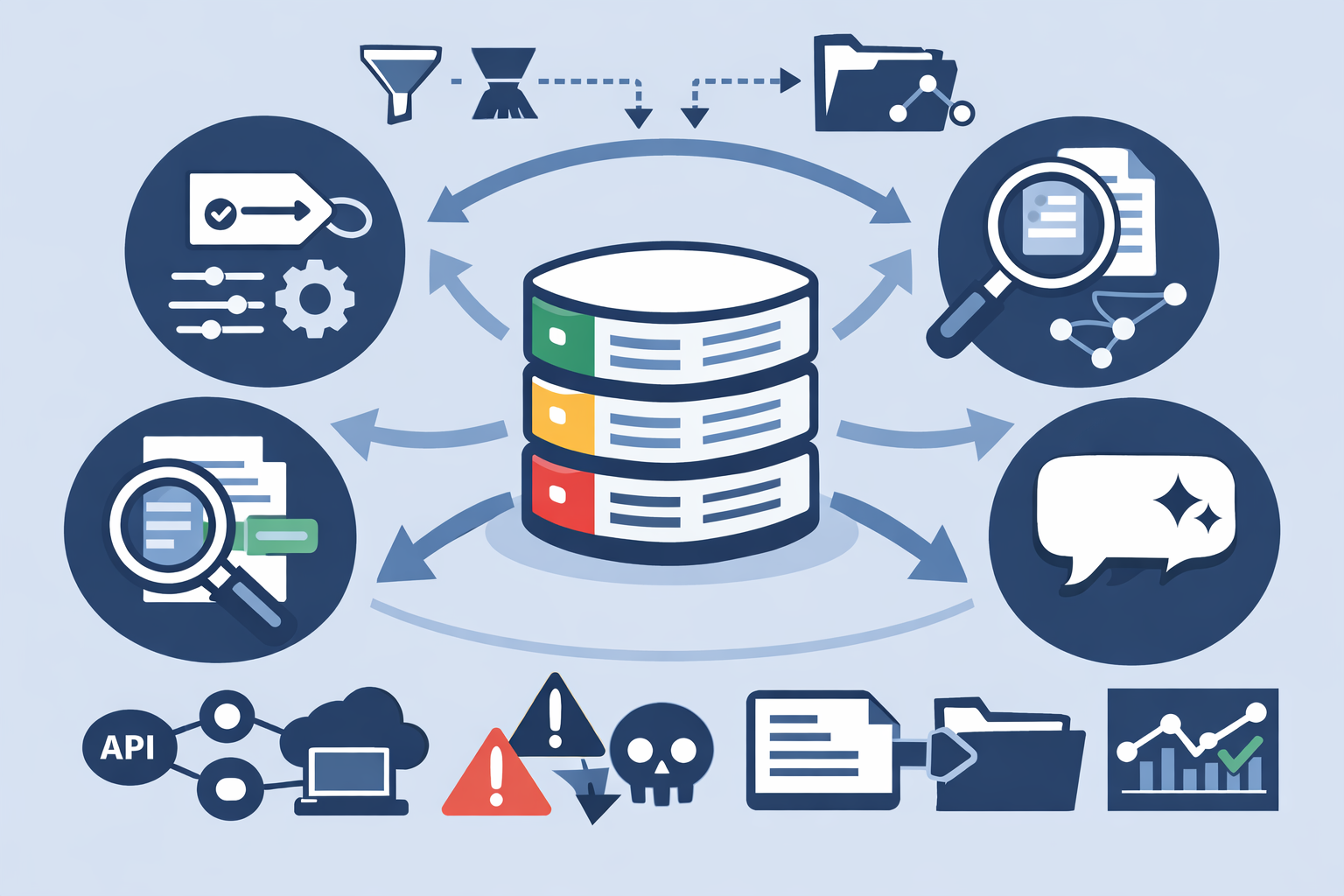
Your AI: how to train a model on your data — a practical step-by-step plan
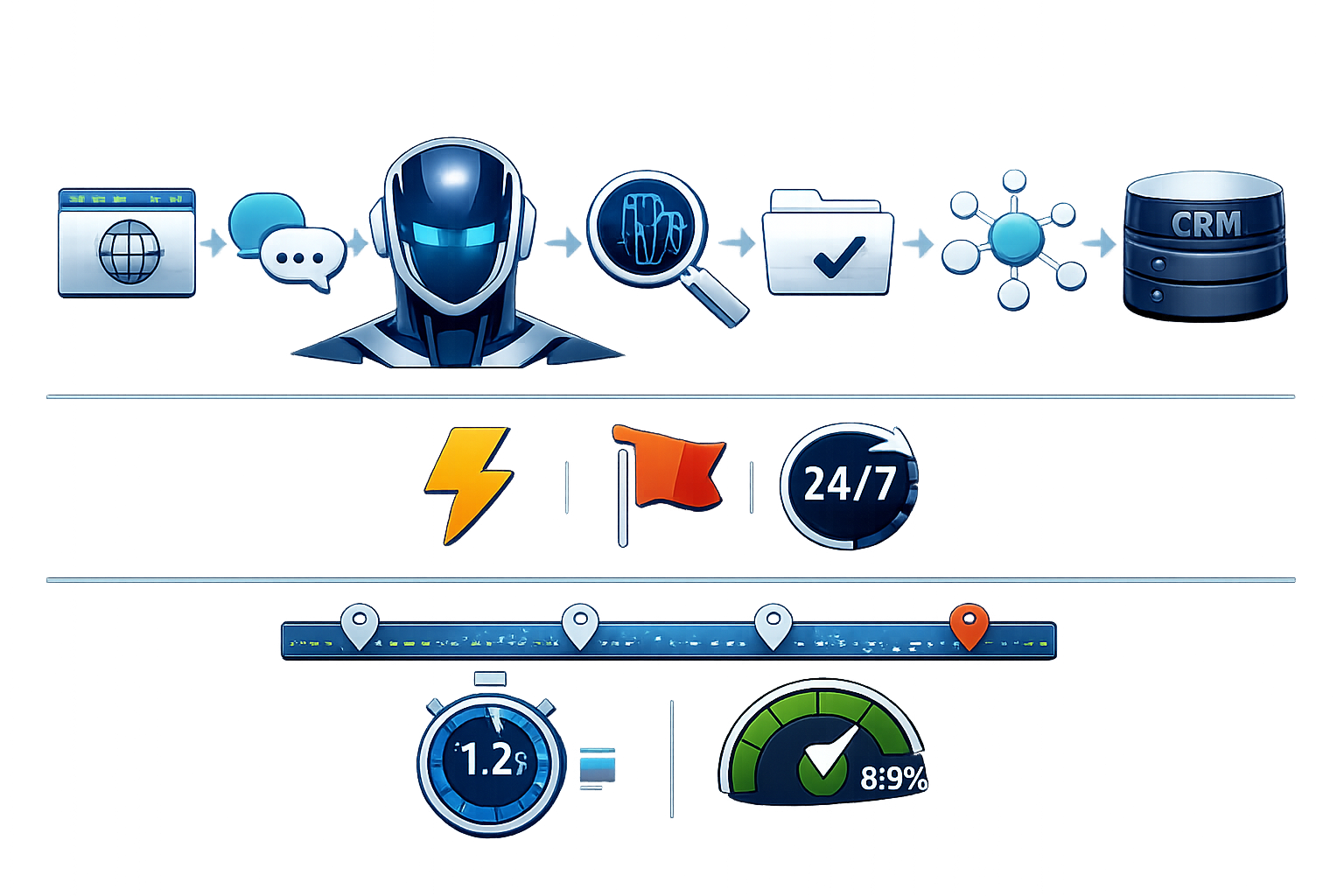
AI agent for processing applications: automating the flow of requests and increasing efficiency
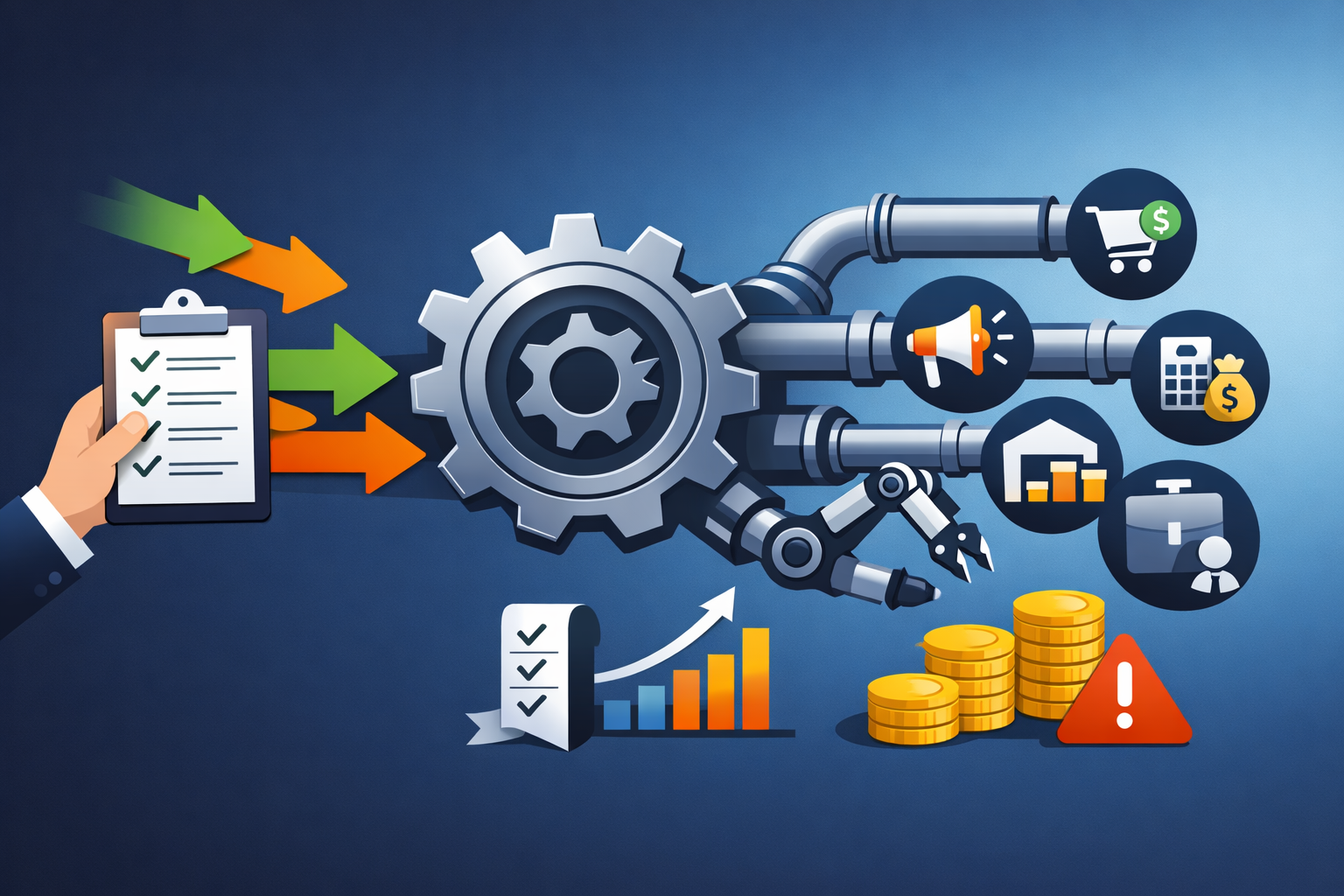
What tasks to automate in business: a practical guide
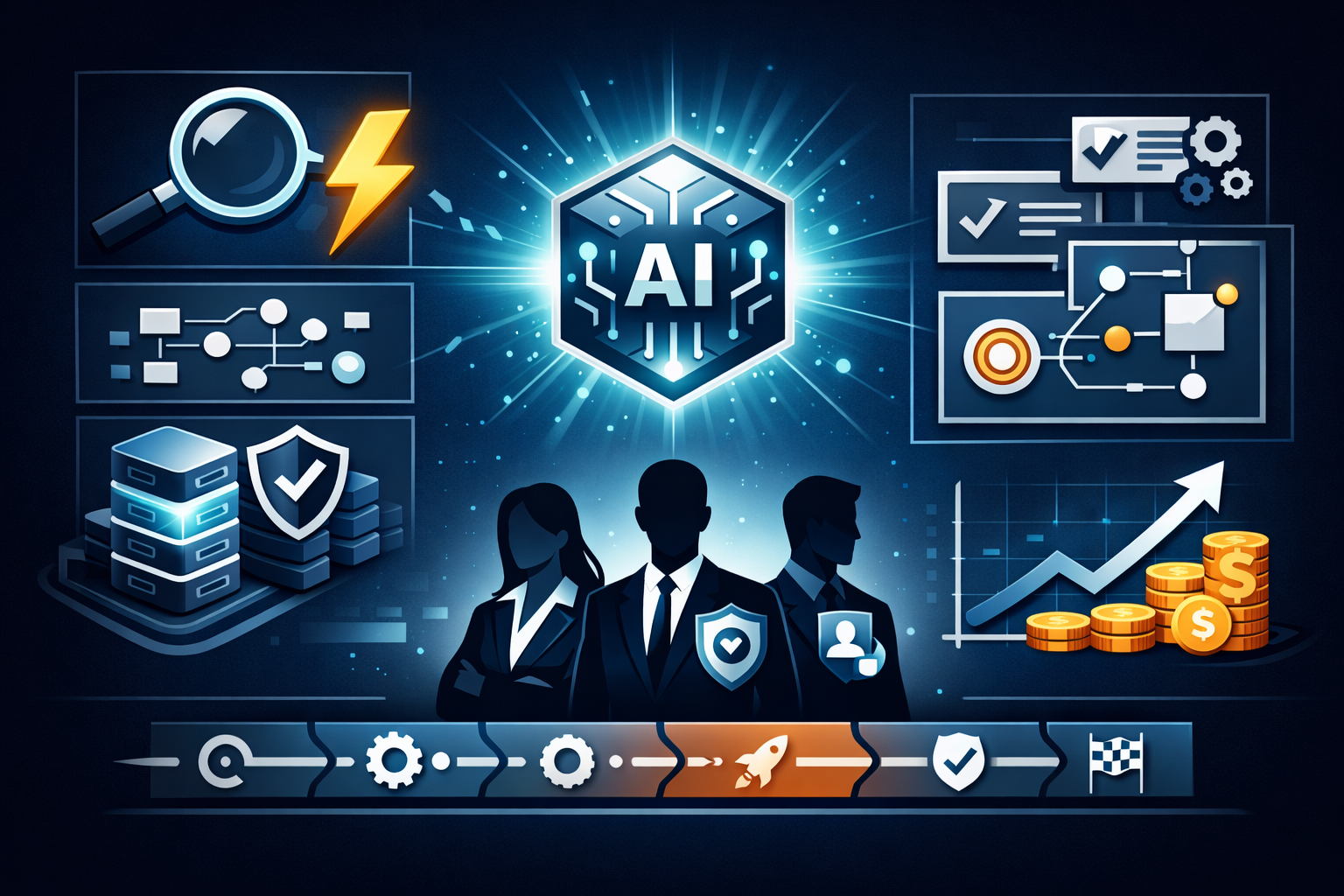
Introducing AI into business: where to start and how to get a quick effect